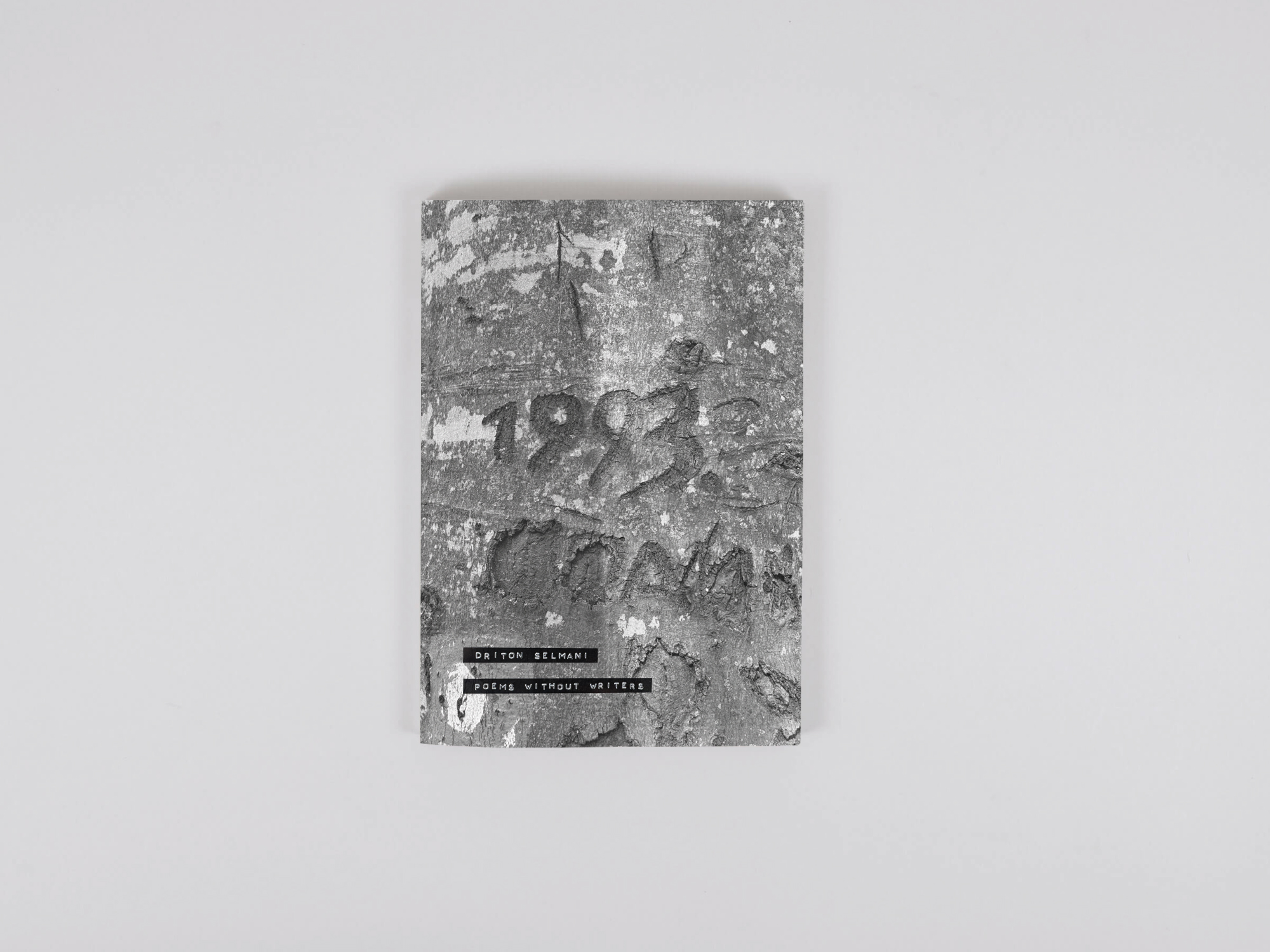

Poems Without Writers
Concept, Text & Photography: Driton Selmani
Essay: Alex F. Köenig
Format: Artist’s book
Pagination: 42 pages, excluding the cover
Structure: Photographs and short poems, followed by a closing essay
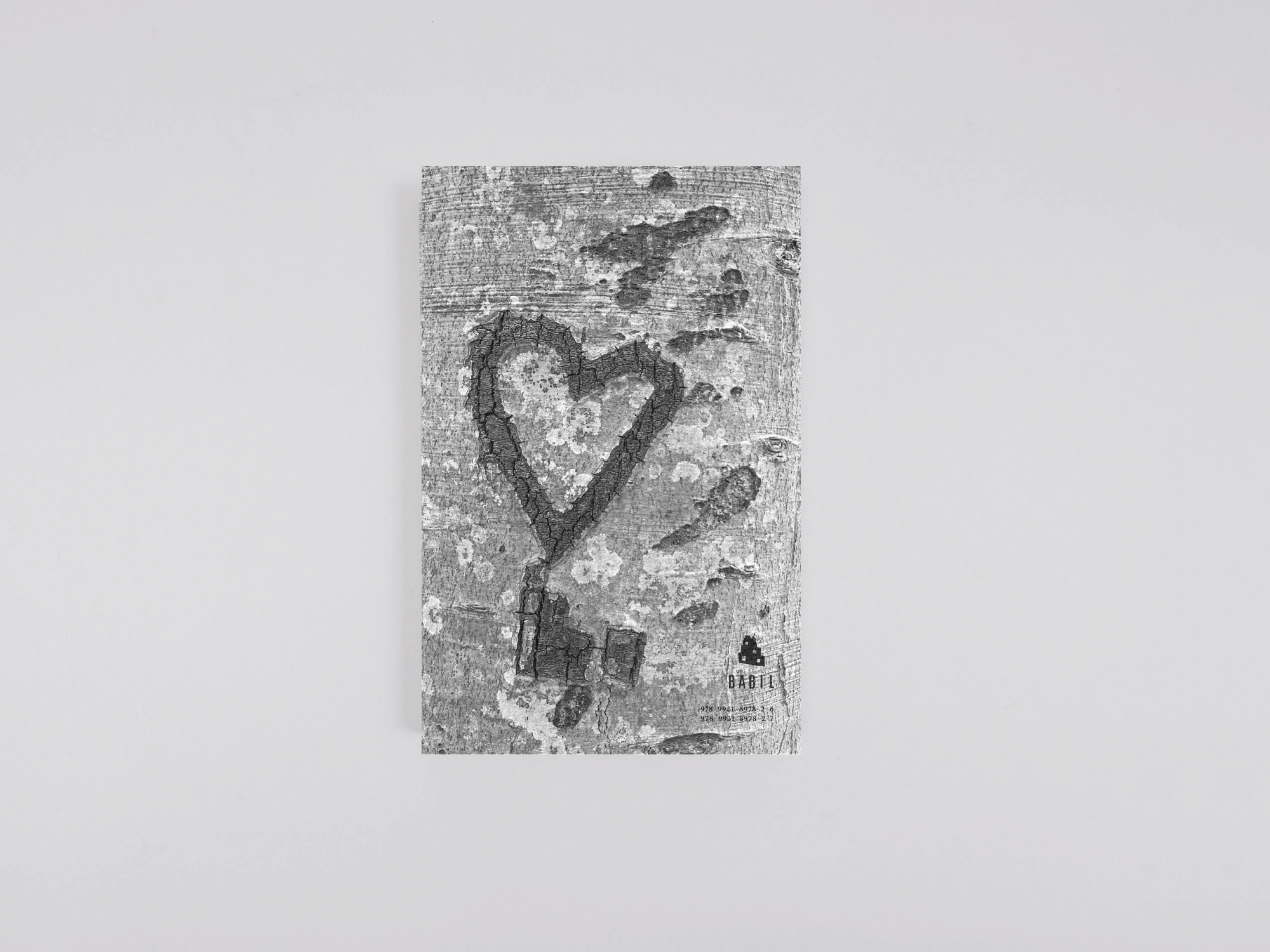
Visual Language: Black-and-white photographs of names, dates, and hearts carved into living trees
© Driton Selmani. All rights reserved.
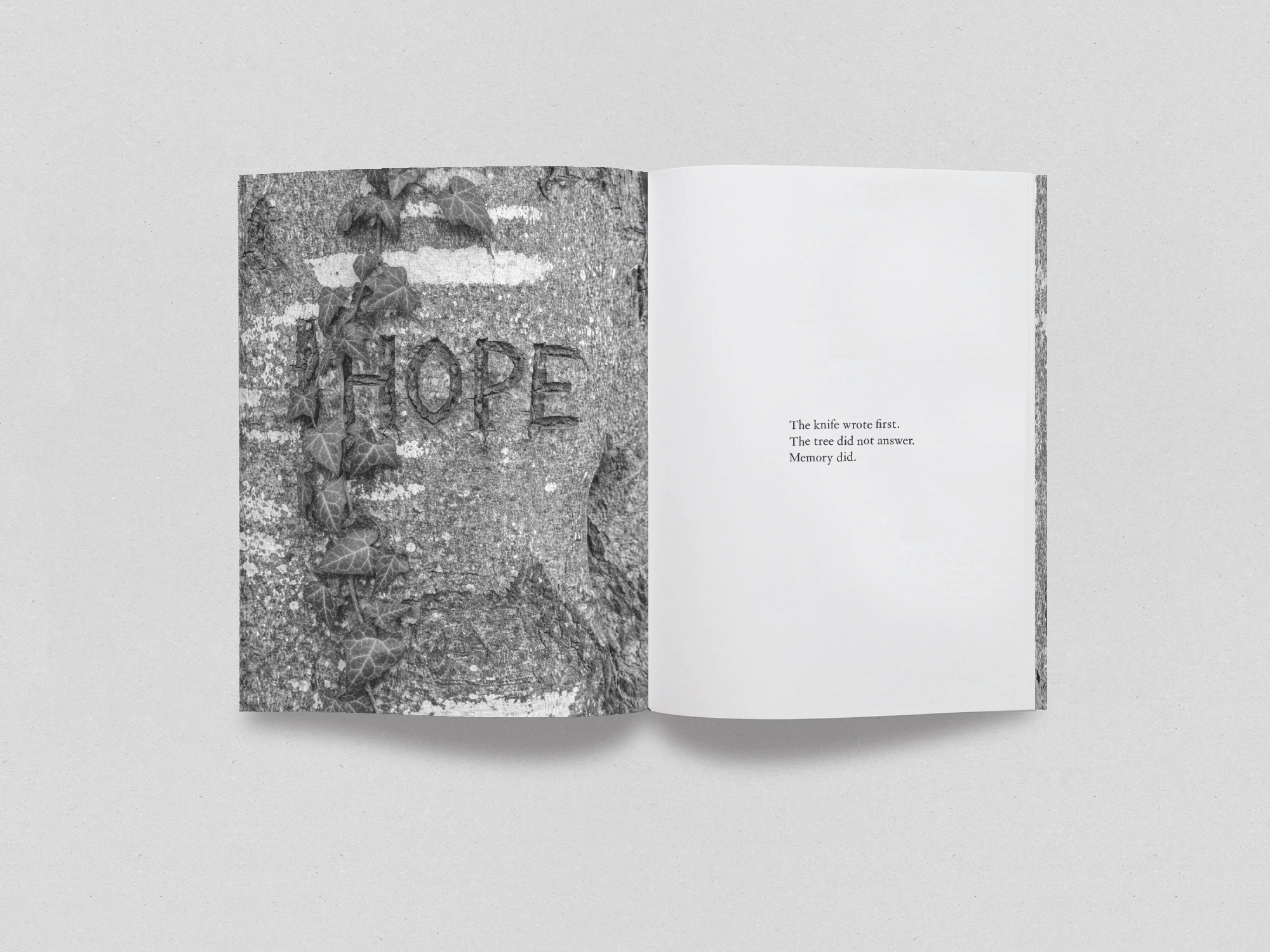
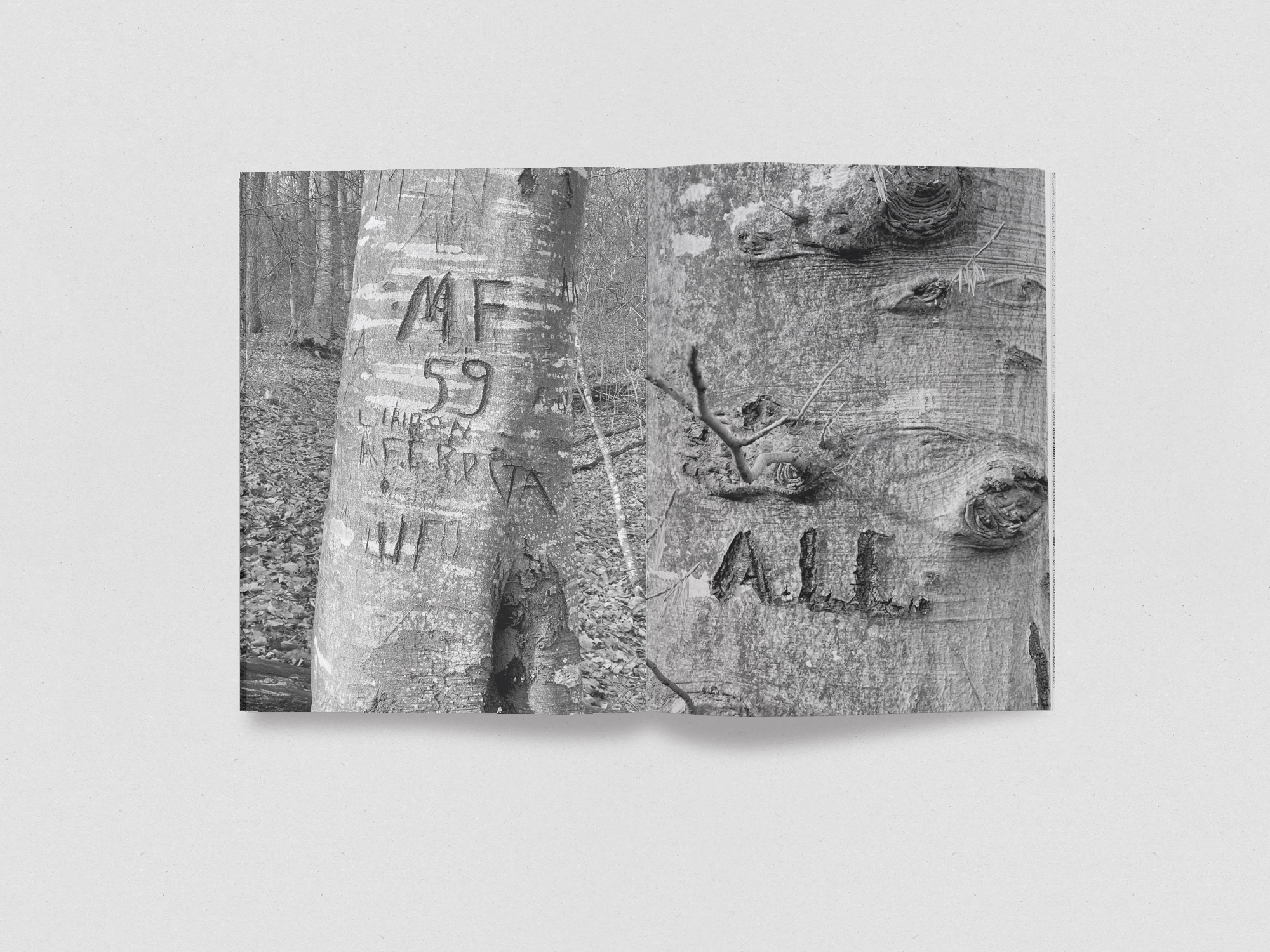
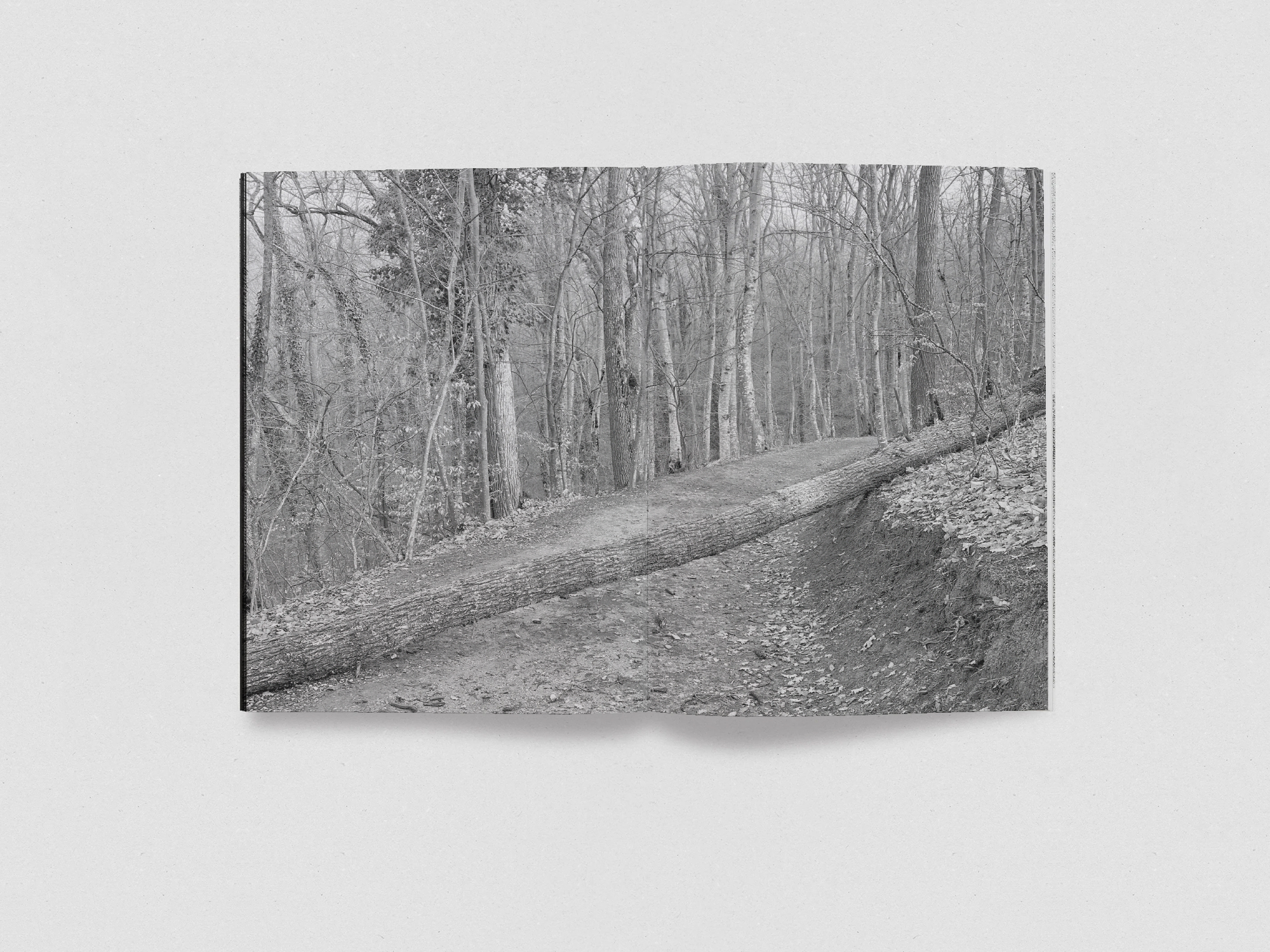
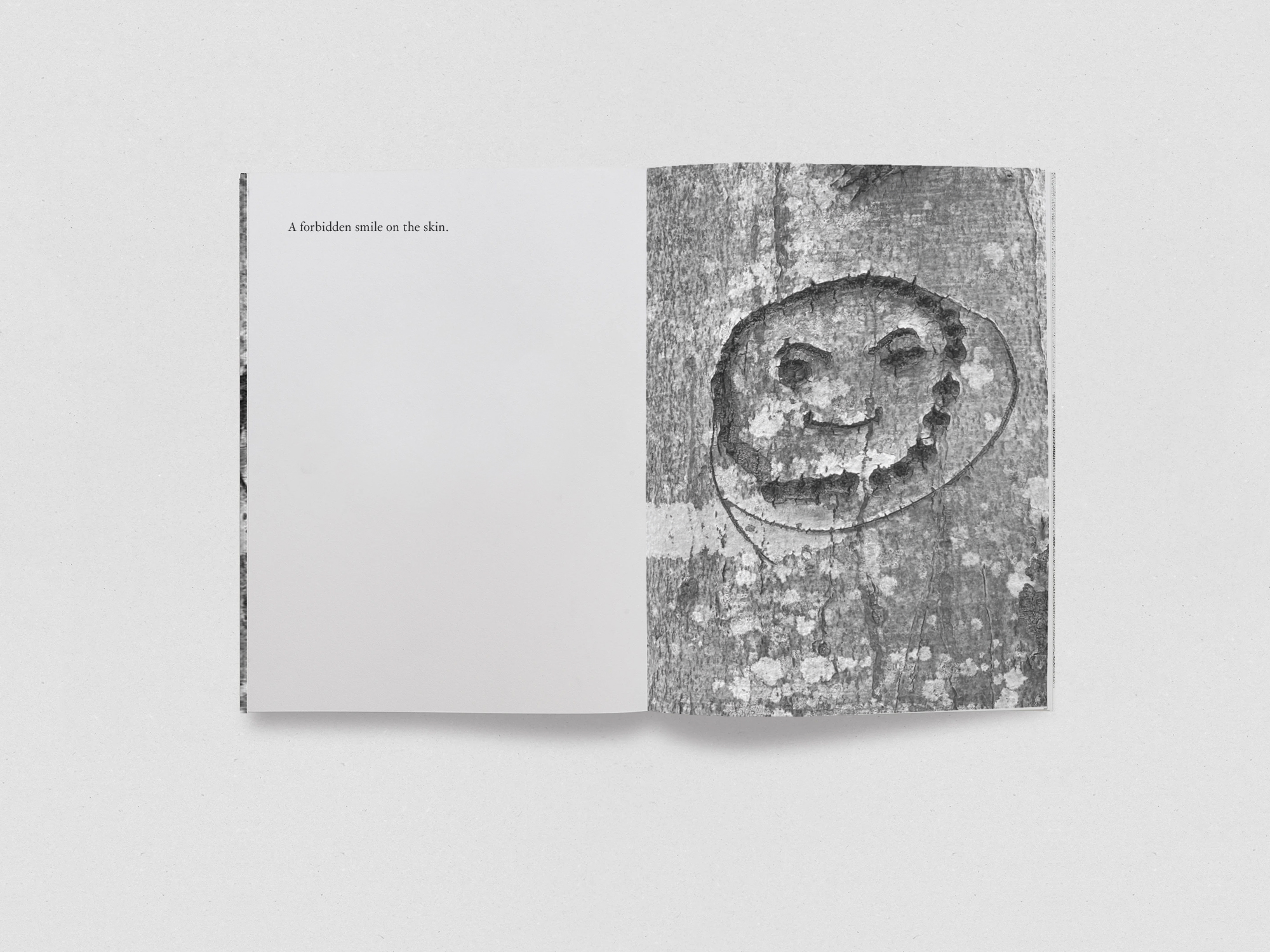
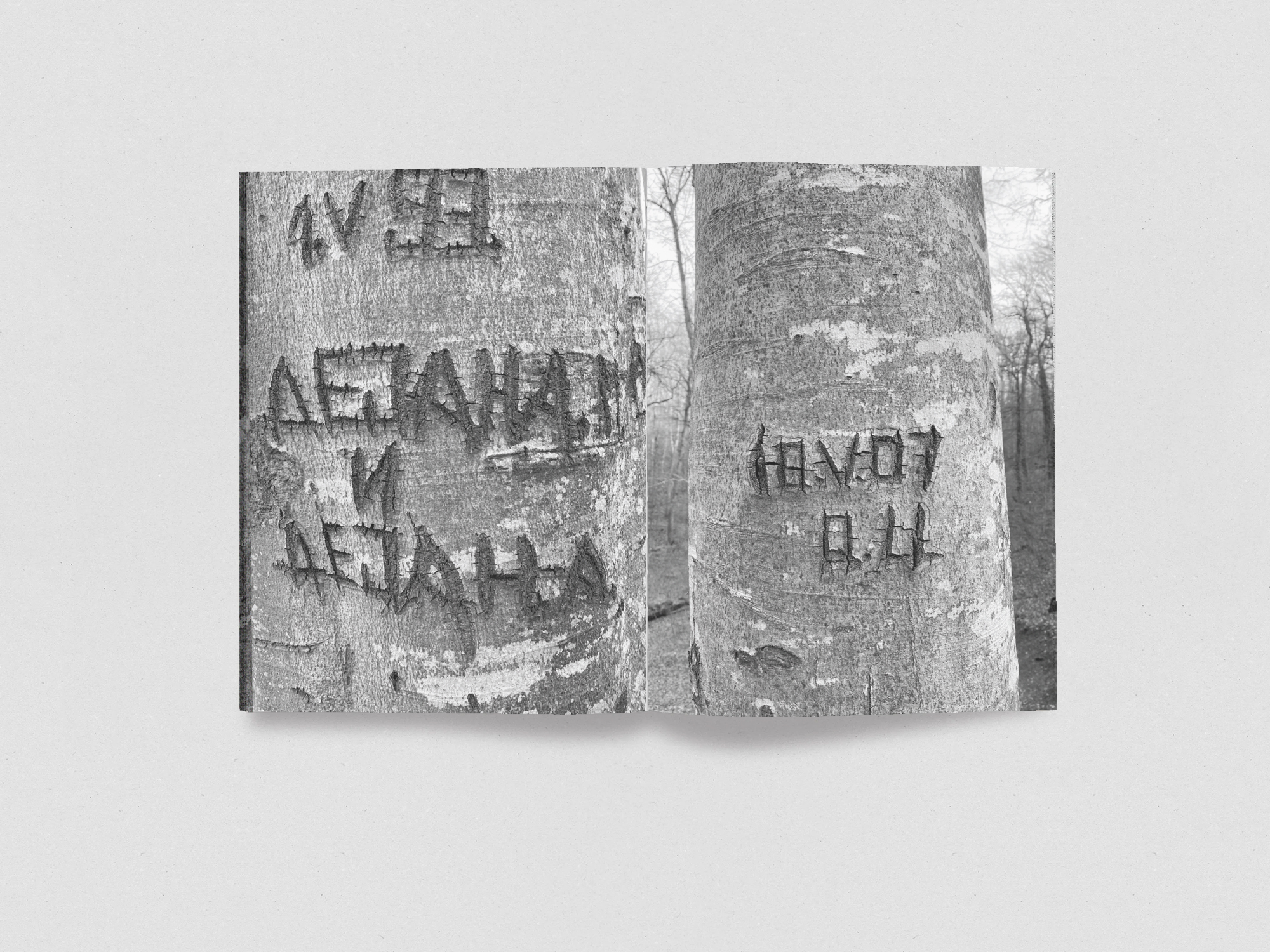
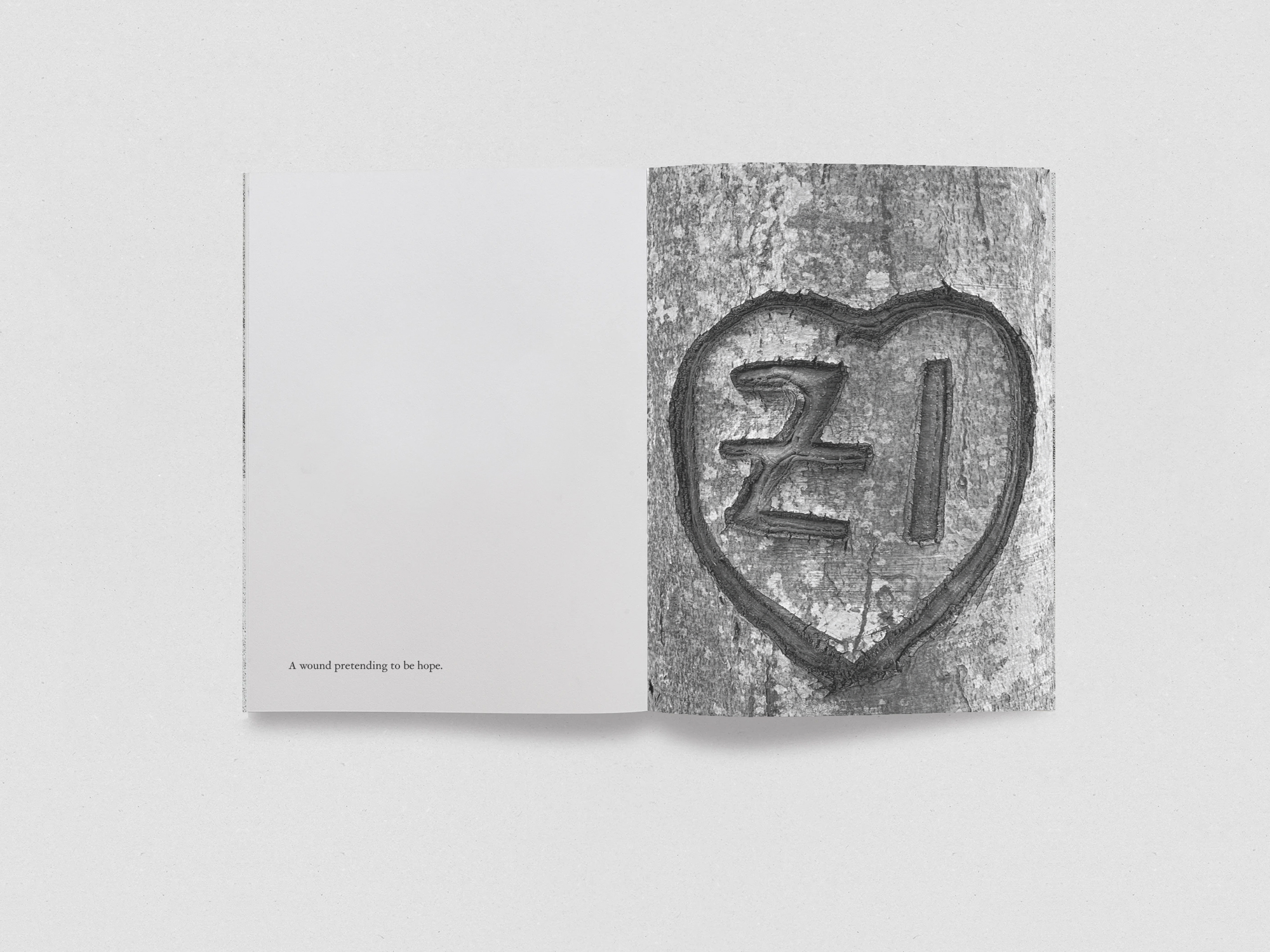
A name, a date, a heart, the word HOPE. Driton Selmani photographs inscriptions cut into living trees, tracing how the bark folds around each mark as the tree grows. Concept, Text & Photography: Driton Selmani
Essay: Alex F. Köenig
Format: Artist’s book
Pagination: 42 pages, excluding the cover
Structure: Photographs and short poems, followed by a closing essay
Visual Language: Black-and-white photographs of names, dates, and hearts carved into living trees
© Driton Selmani. All rights reserved.
Set against Kosovo’s recent history, the book asks what becomes of a private message when the country around it changes. A heart carved before 1999 can still be read by someone who never knew the hand that made it.
In the 1990s, when public speech was monitored and writing on a wall left a message exposed, a tree offered another place to write. Someone with a knife could leave a few words without signing them.
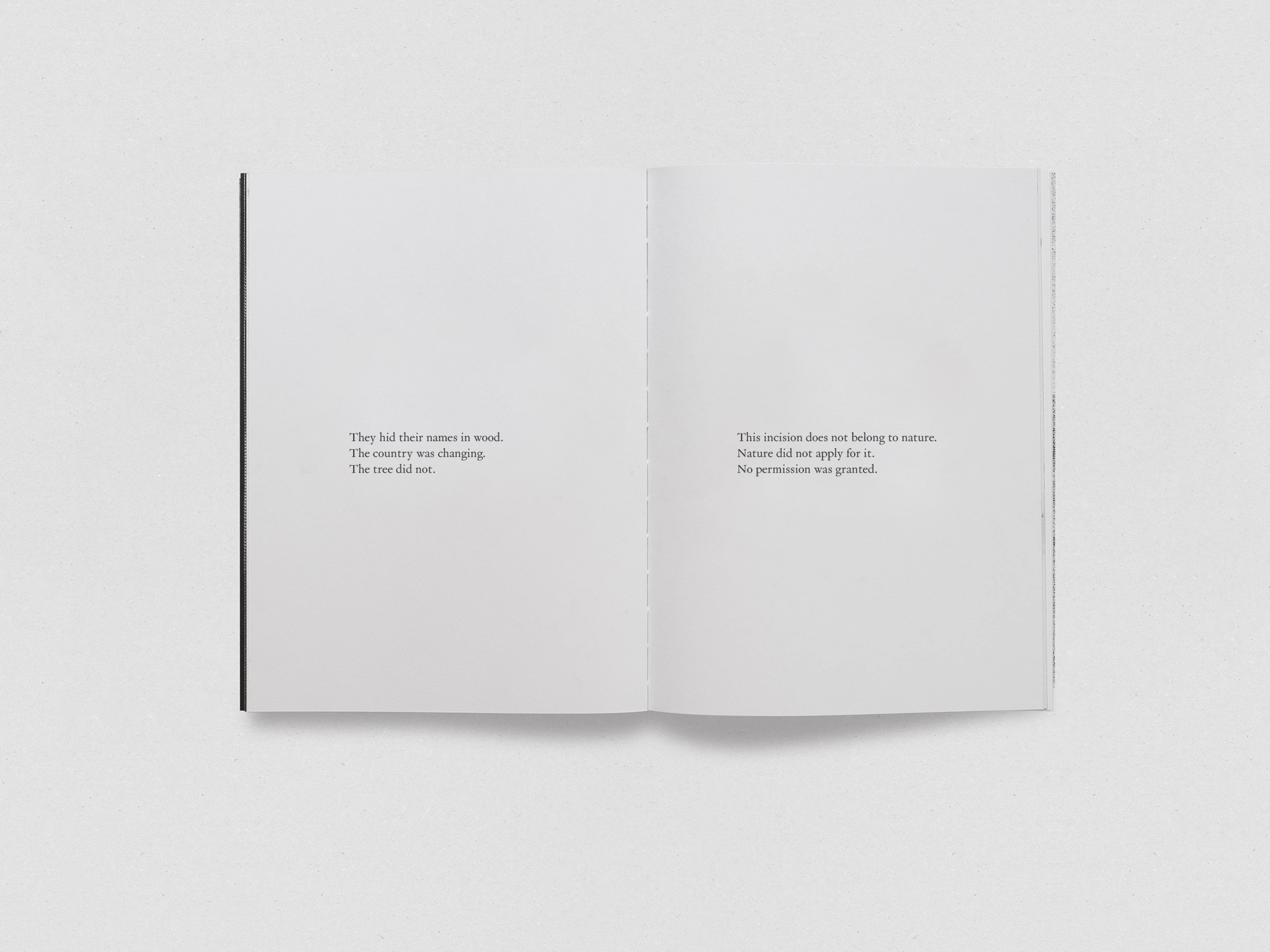
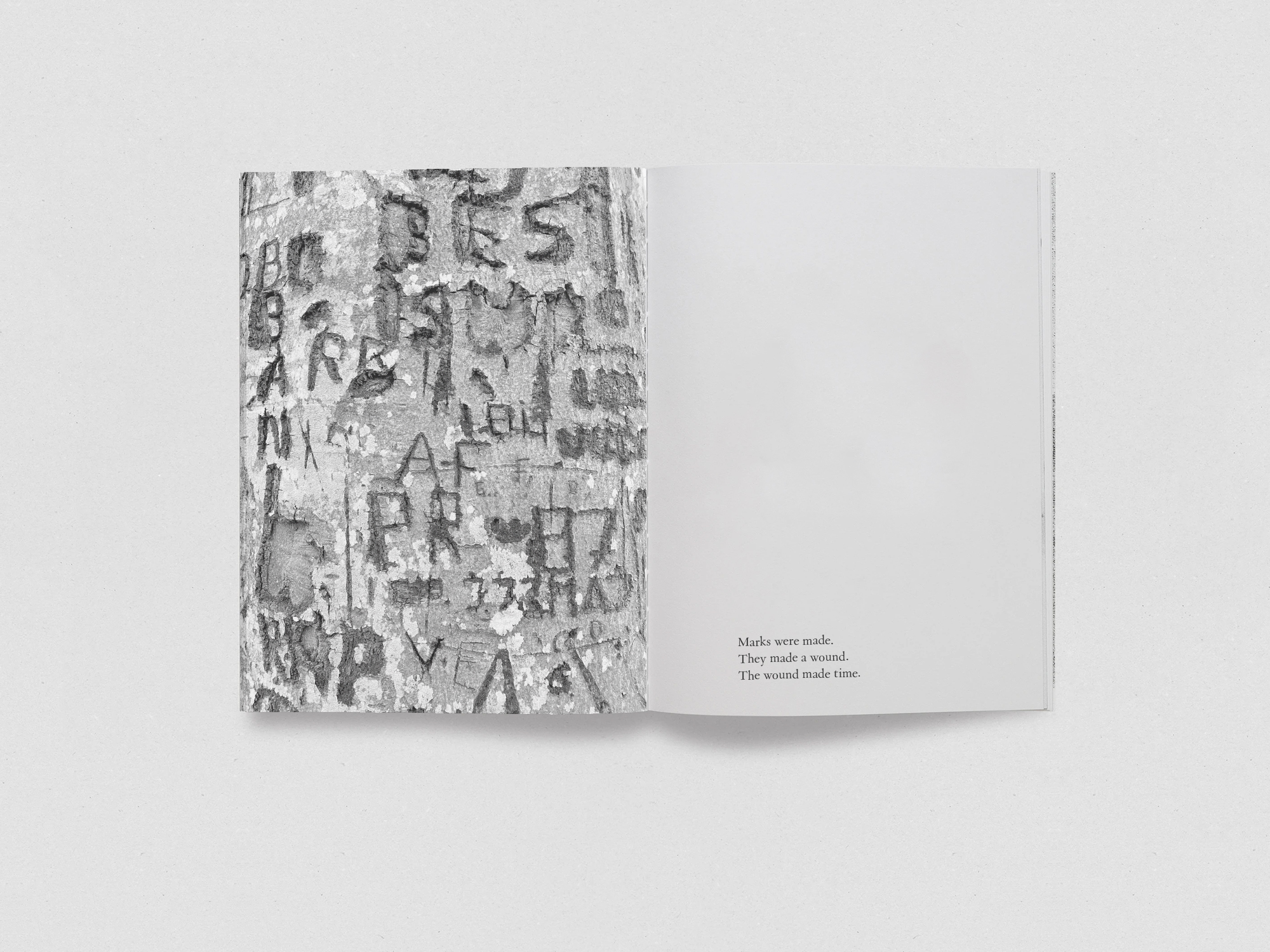
Streets have since been renamed, and flags have changed, yet a name cut into bark can still be found where someone stood to carve it. Short poems appear between Selmani’s black-and-white photographs. Some letters can be read at a glance; elsewhere, the eye has to follow a cut through the grain to make out what it says.
As Alex F. Köenig writes in the book’s closing essay, “The state archives documents. The tree archives pressure.”
Each photograph holds the few moments it took to carve a word and the years the tree has spent growing around it.